
Robotic Palletizing Cell Selection: Matching the Robot to the Case, Not the Brochure
A palletizing cell is chosen by the case profile and the throughput, not by the robot's headline reach. How to specify a cell that actually clears the line at peak.
What the cell has to do
A palletizing cell picks cases or bags from a conveyor and builds stable layers on a pallet. The work looks simple until you specify it: the case size range, the layer pattern, the pallet type and the peak rate all decide the robot and the end-effector. A cell sized to the average case spends its life unable to handle the awkward five percent. A robotic arm range built for palletizing is quoted by reach and payload, but it is selected by case geometry.
The case profile is the spec
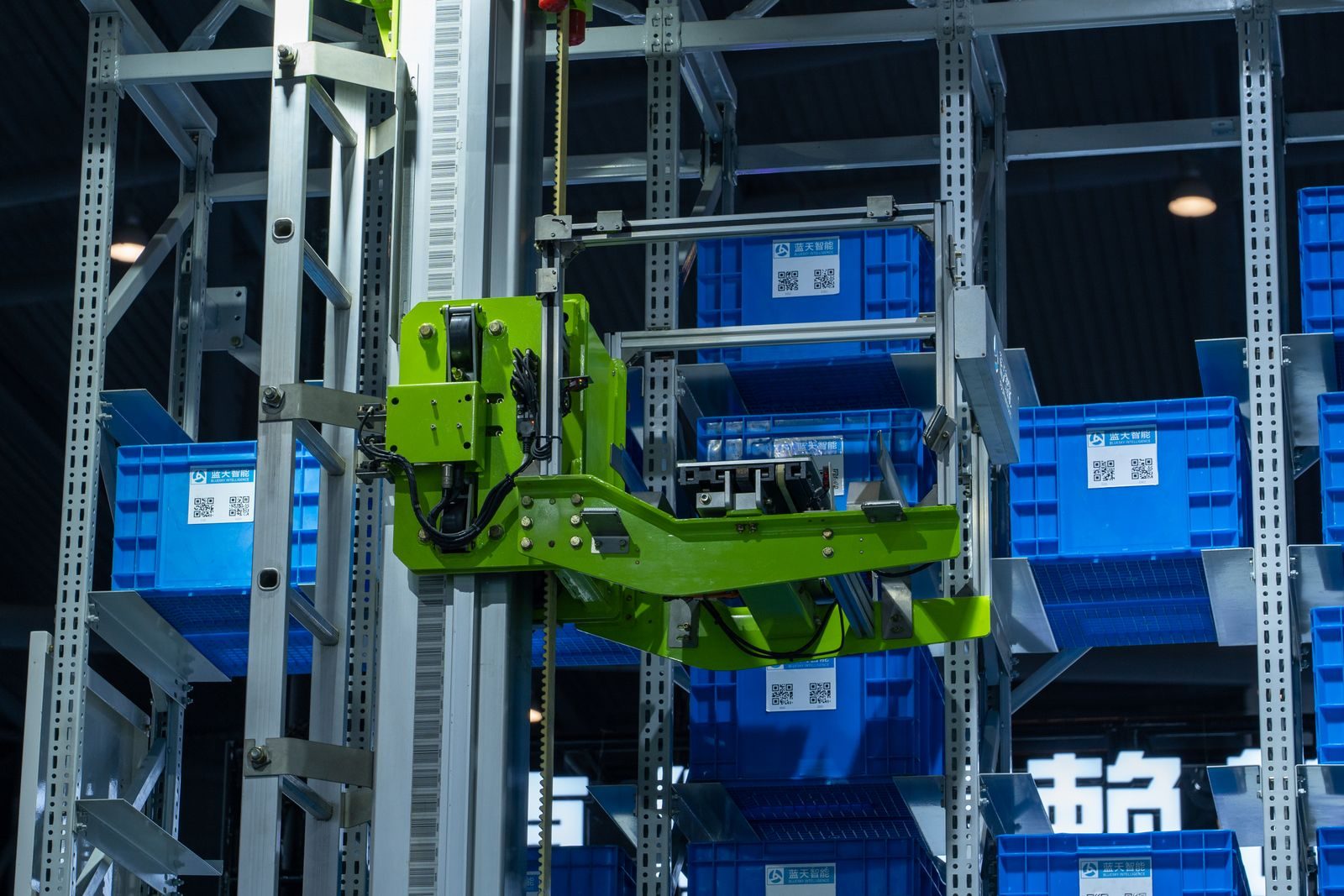
Case length, width, height, weight and how irregular the mix is set the end-effector and the vision. A vacuum gripper handles uniform cases; a mixed, deformable or bagged mix needs a different tool and a vision check that reads the item before the pick. Sizing the robot to the heaviest case and the tallest stack, then confirming the gripper suits the lightest, avoids a cell that drops the easy items and fumbles the rest.
Throughput is pattern arithmetic
Peak pallets per hour is the target, but it is reached through the layer pattern: how many cases per layer, how the robot sequences them, and how long a pallet change takes. A cell that is fast at picking but slow at pattern change loses the peak at every pallet swap. The specification states the pattern, the changeover time and the target peak together, not the pick rate alone.
Integration and safety
The cell sits inside a line, so it needs the conveyor interface, the upstream infeed and the guarding that lets humans reload without stopping production. Safety functions - light curtains, interlocks, e-stop - are designed to a performance level, not added at the end. A robotic integration programme that designs FAT against your own case mix proves the cell before it ships, which is cheaper than discovering the pattern is wrong on the floor.
Measuring the choice
A palletizing cell is measured by stable pallets per hour at peak with the real case mix, and by changeover time. A cell that hits rate on uniform cases but stalls on the mixed five percent is the wrong cell, no matter the brochure reach.
Frequently asked
Size the robot to reach or to the case?
To the case profile and the peak pattern. Reach and payload are ceilings; the case geometry and changeover time decide the real rate.
Why does my cell stall at peak?
Usually the pattern changeover, not the pick. Specify the layer pattern and the swap time with the peak rate.
What proves the cell before install?
Factory acceptance testing against your actual case mix. A cell proven on uniform cases fails on the mixed five percent.