
Industrial Equipment Acceptance Inspection: Proving the Machine Before You Sign
Factory and site acceptance testing is where a well-specified machine is realised or quietly compromised. What to check, and the documents that should travel with the equipment.
FAT before it ships
Factory Acceptance Testing (FAT) proves the machine against your own specification on the supplier's floor, before it is crated. It is the last cheap moment to find that the throughput, the accuracy or the safety functions are not what was promised. A machine builder that runs FAT against your part mix removes the "it passed our test" gap between the supplier's standard and your reality.
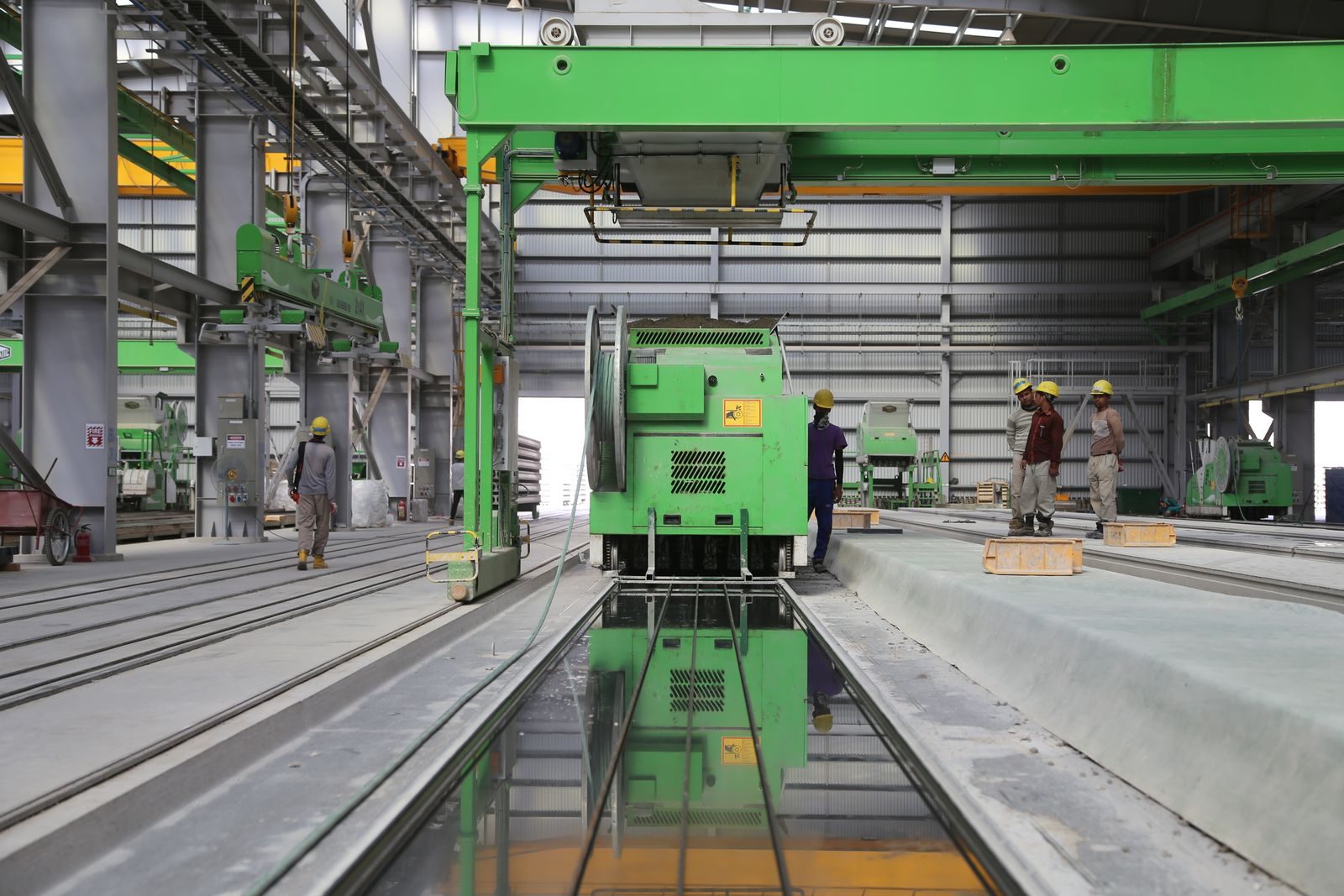
What FAT actually checks
FAT runs the machine at the specified rate with your actual product or a representative stand-in, and confirms the safety functions respond: e-stop, guard interlocks, light curtains. It checks the accuracy where it matters - the diverter, the positioner, the repeatability - not just that the line moves. The output is a signed report tied to the purchase spec, which is the only leverage you have if site performance diverges.
SAT in your building
Site Acceptance Testing (SAT) proves the same machine in your real environment: floor, power, network, the upstream and downstream interfaces. Many "machine faults" are actually site-readiness gaps - utilities three metres from the line, a floor that is not flat, a network drop that does not reach. SAT exposes those as installation tasks, not as supplier defects.
The documents that travel
The machine should arrive with the FAT/SAT reports, the risk assessment behind the guarding (ISO 12100), the electrical documentation (IEC 60204-1) and the spare-parts BOM. Without those, every future repair is a forensic exercise. Keep them with the equipment, because a machine you cannot document is a machine you cannot maintain.
Frequently asked
What is the point of FAT?
To prove the machine against your spec on the supplier floor, before crating - the last cheap moment to fix a gap.
FAT passed but it fails here - why?
Often site readiness: floor, power, network, interfaces. SAT exposes those as install tasks, not supplier faults.
What documents must travel with the machine?
FAT/SAT reports, the risk assessment, electrical docs and the spare-parts BOM. Without them, every repair is forensic.