

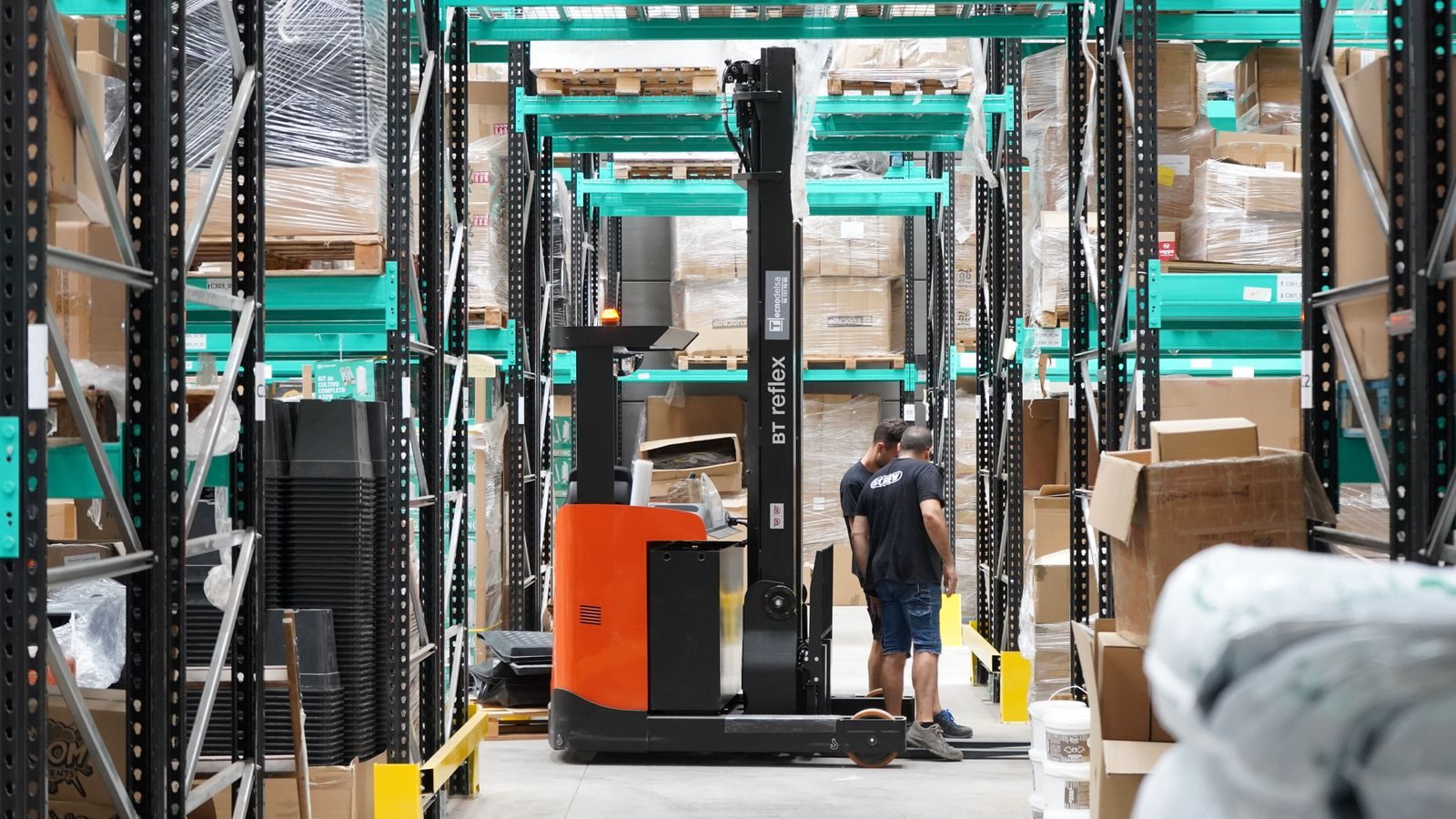
A forklift fleet is a maintenance commitment disguised as a capital purchase. The purchase price is visible and one-off; the service, tyre, battery and downtime cost is invisible and continuous, and it is where most of the money goes. Planning fleet maintenance means deciding, in advance, what gets serviced on which interval, who services it, and what happens when a truck is out of service - rather than discovering those answers one breakdown at a time.
The single most common planning error is servicing by calendar interval alone. A truck that runs two shifts a day accumulates wear far faster than one that runs four hours a week, and a monthly calendar service treats them identically. A fleet plan keys the interval to engine or traction hours - the hour meter, not the wall calendar - and adds calendar checks only for items that genuinely degrade with time rather than use, such as hydraulic seals and battery electrolyte.
| Interval | Items | Typical basis |
|---|---|---|
| Pre-shift check | Tyres, forks, mast chains, hydraulics, horn, lights, brakes | Operator, every shift |
| Routine service | Engine or traction oil, filters, coolant, greasing, fasteners | Engine/traction hours |
| Intermediate service | Brake and steering function, mast and chain wear, hydraulic pressure | Hours, plus condition |
| Major service | Transmission and hydraulic oil, drive components, structural inspection | Hours, planned stop |
| Statutory/periodic | Lifting and structural inspection as required by local rules | Regulated interval |
An electric truck moves cost from the engine to the battery and the charging infrastructure, and that shift has to be planned for. Battery capacity falls with cycle count and with poor charging habits, and a fleet that runs a battery flat and recharges it in one go will replace batteries sooner than one that opportunity-charges within the manufacturer's guidance. Ventilation, charging space, spare-battery handling and the electrical capacity of the charging area are maintenance-planning inputs, not facilities afterthoughts.
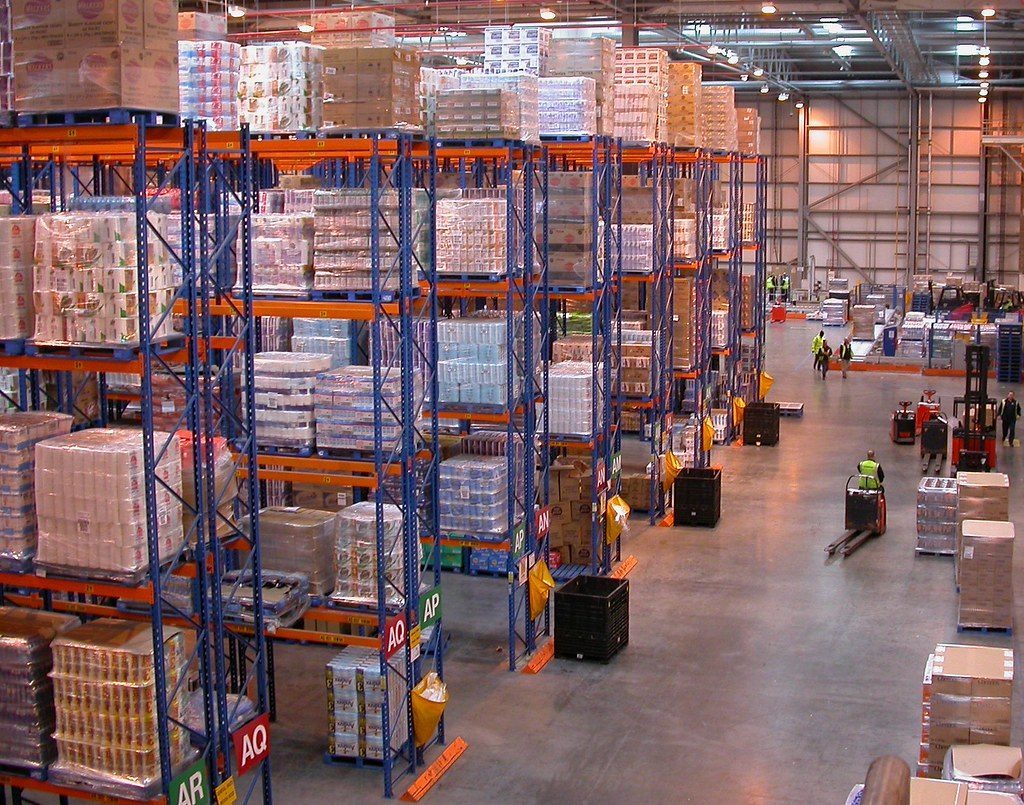
Fleet performance is usually measured by purchase price, then by repair invoices, and almost never by the number that actually drives cost: availability. If a site needs six trucks to run the operation and owns seven, the seventh is not spare capacity - it is the maintenance float that keeps the operation running during a service. A fleet with no float must either schedule its service outside operating hours or accept that every routine service becomes a service interruption. Deciding the float deliberately, and tracking availability against it, converts maintenance from a surprise into a plan.
A reactive truck - one serviced when it breaks - carries a hidden cost beyond the repair: the unplanned stop, the emergency parts premium, the rush labour, and the knock-on delay to the shift that depended on it. A planned truck is serviced in a window, with parts already on the shelf. The difference between the two is not the amount of maintenance but its predictability, and predictability is what a plan buys.
It depends on fleet size and skill. A small fleet rarely justifies an in-house technician and the tooling; a larger fleet usually does once the hour-meter data is being used properly. The decisive point is not cost alone but control - whoever services the fleet must also own the availability number, or the plan drifts.
On the pre-shift check and again at every routine service. Tyres and chains are the two items that most often turn a manageable repair into a structural one when neglected, and both are cheap to inspect.
The hour meter reading at each service, alongside the repair history for each truck. It is that combination - hours against repairs - that shows which truck is approaching the end of its economic life and which is being run harder than its sister units.
A fleet plan is not a document that sits in a drawer; it is the set of intervals and ownership decisions that keep trucks available. ZH Industrial Machinery supplies material-handling equipment including forklifts, and we are glad to help a fleet owner work out the service intervals and float that match their duty cycle before the next truck is ordered.
Powered industrial truck operation, maintenance and training duties are set out by the US Occupational Safety and Health Administration. Component and test specifications normally cite ASTM International, and the wider economics of distribution equipment is covered by MIT Center for Transportation and Logistics research.