
An After-Sales Parts Network for Industrial Equipment: Turning a Stop into an Afternoon
For industrial equipment, the after-sales parts network is the difference between a planned swap and a week of downtime. What to stock, where, and who owns the bill of materials.
Downtime is the cost
Industrial equipment that is down is not saving money on a cheaper spare - it is losing production by the hour. The after-sales parts network exists to convert an unplanned week into a planned afternoon: the right part, positioned close, with a known lead time. A 3PL parts network positions spares so the swap is a local pickup, not an international shipment.
What to stock, and where
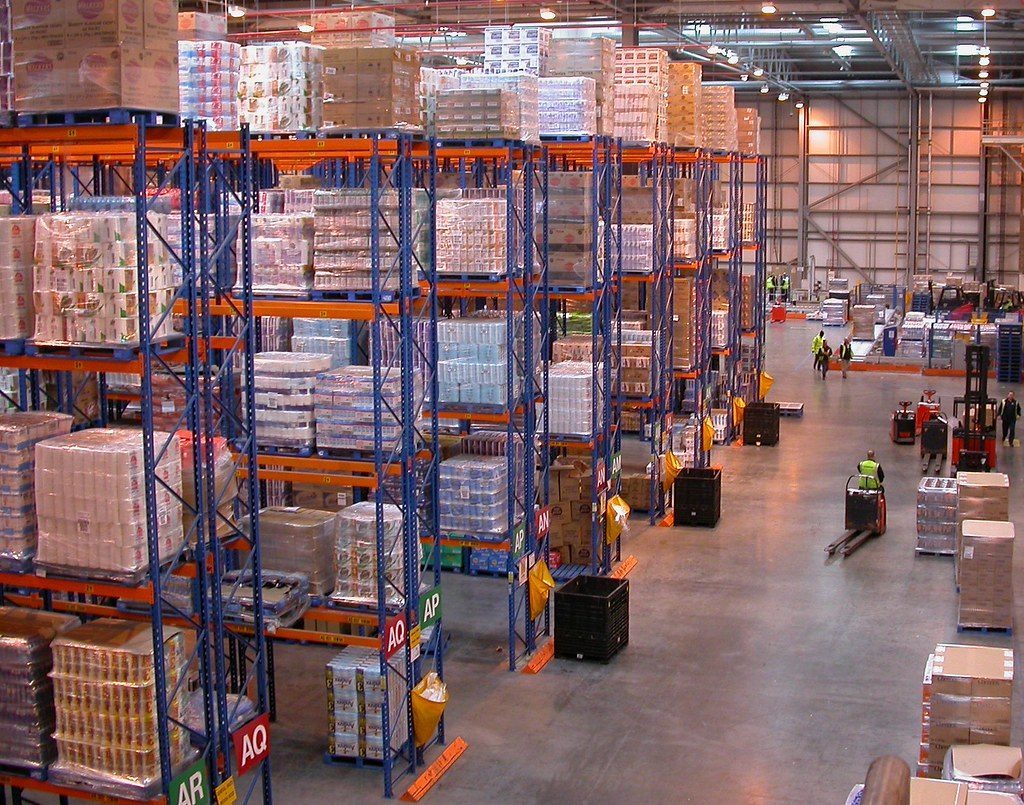
Stock the parts that fail and that stop the machine: bearings, seals, belts, cables, the wear items. Position them by failure rate and freight time, not by unit cost - a cheap seal that takes ten days to arrive is a worse risk than an expensive bearing held locally. The bill of materials owned by the equipment maker, such as a spare-parts programme with a documented BOM, is what puts the right thing on the shelf.
Lead time is designed in
Lead time should be a design input. Specifying standard bearings over proprietary ones, and keeping cable specs on file, means a failure meets a shelf item. A machine built around sole-source parts is a machine that waits on a supplier at the worst moment - and the wait is the customer's downtime, not just yours.
Measuring the network
An after-sales network is measured by time-to-swap and fill rate, not inventory value. A lean shelf that always has the right part beats a full warehouse missing this week's failure. Review the failure log quarterly and move stock to match it.
Frequently asked
What should I stock first?
The parts that fail and stop the machine - bearings, seals, belts, cables - positioned by freight time, not price.
Why not order when it breaks?
Because expedited freight plus lost production costs more than the spare. The network converts a week into an afternoon.
How do I avoid sole-source risk?
Specify standard bearings and keep cable specs on file so failures meet shelf items, not supplier lead times.